
01
Frontline insight
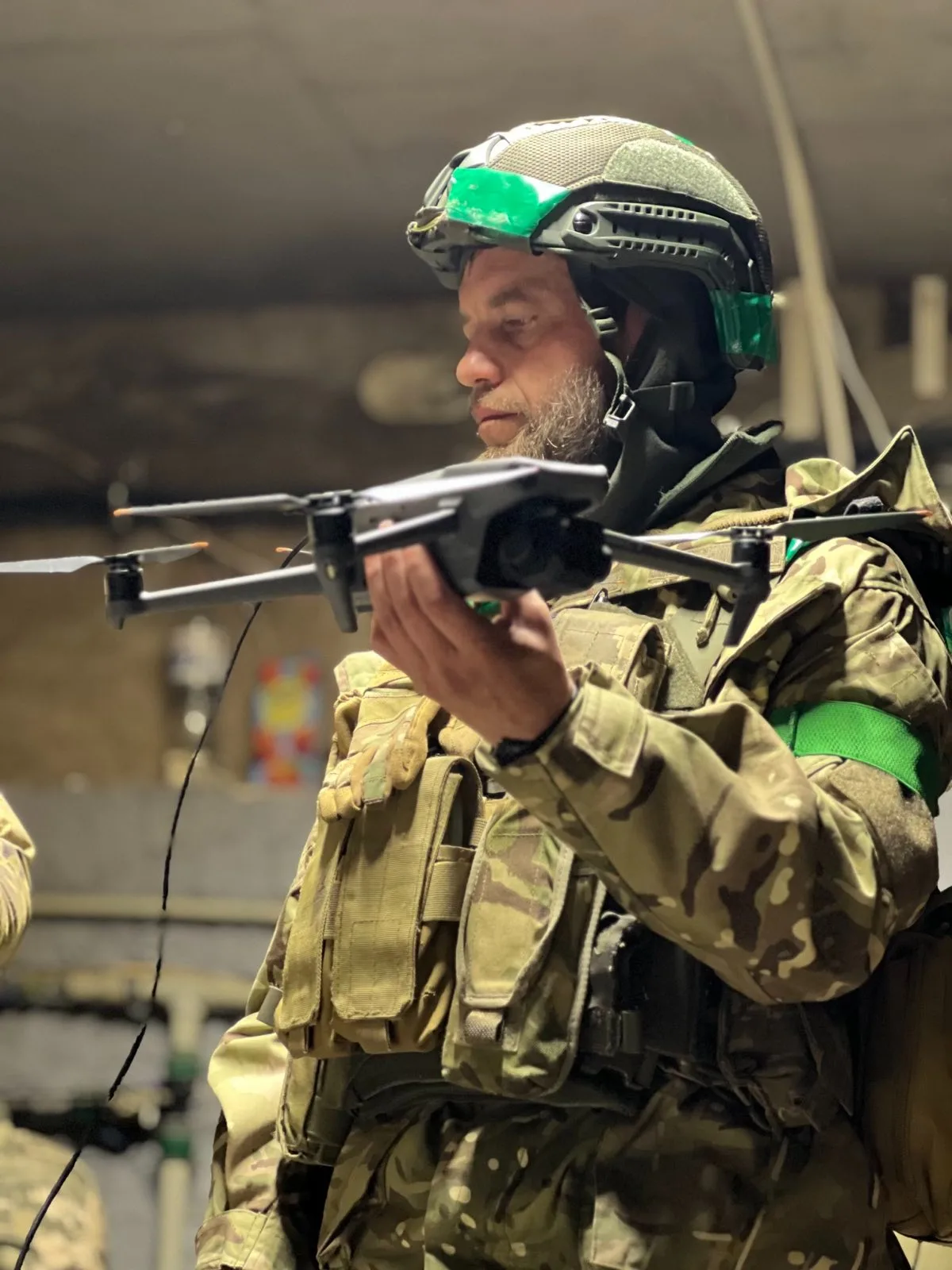
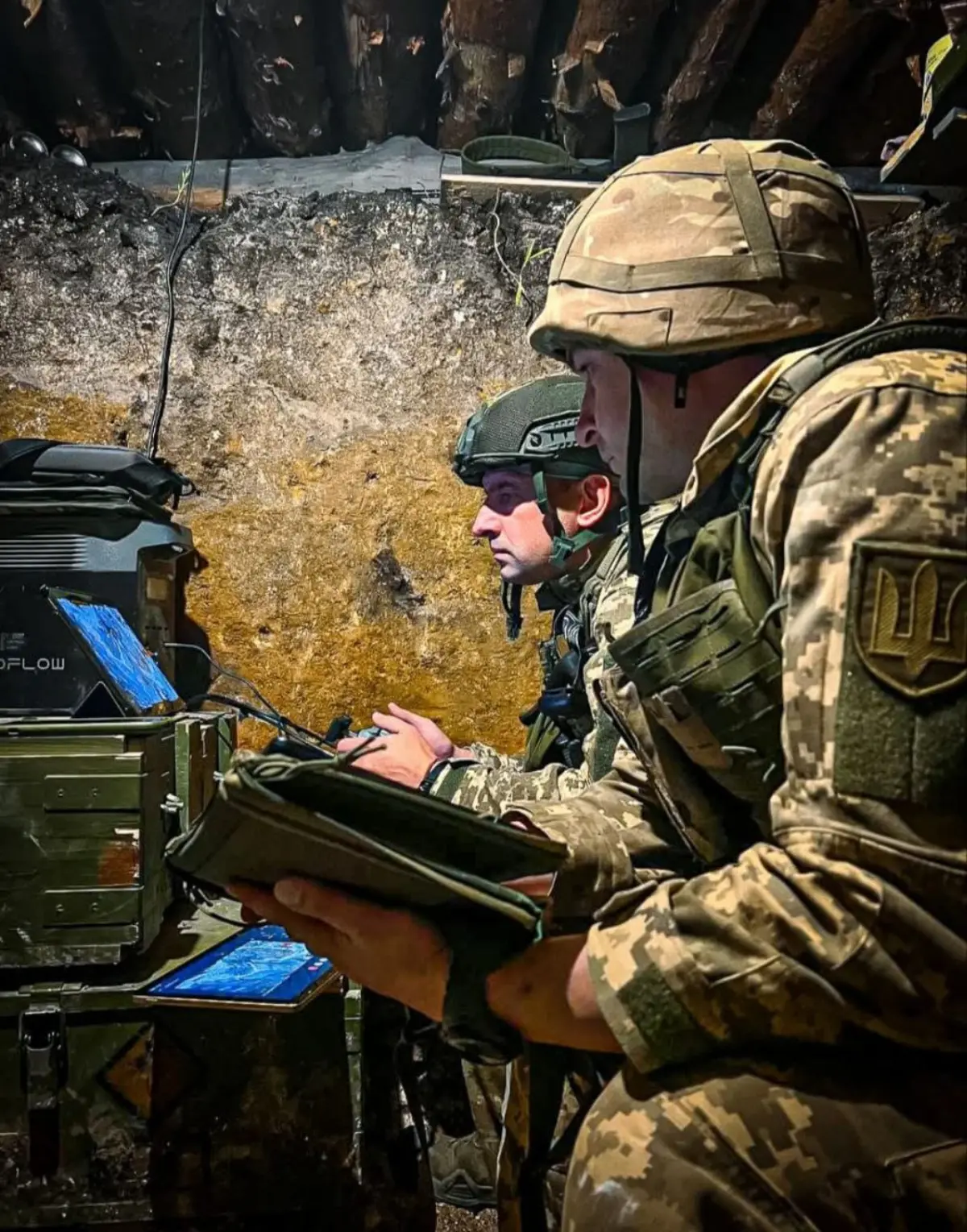
Ongoing contact with active pilots and instruction grounded in current field practice.
Training the pilots of tomorrow, today
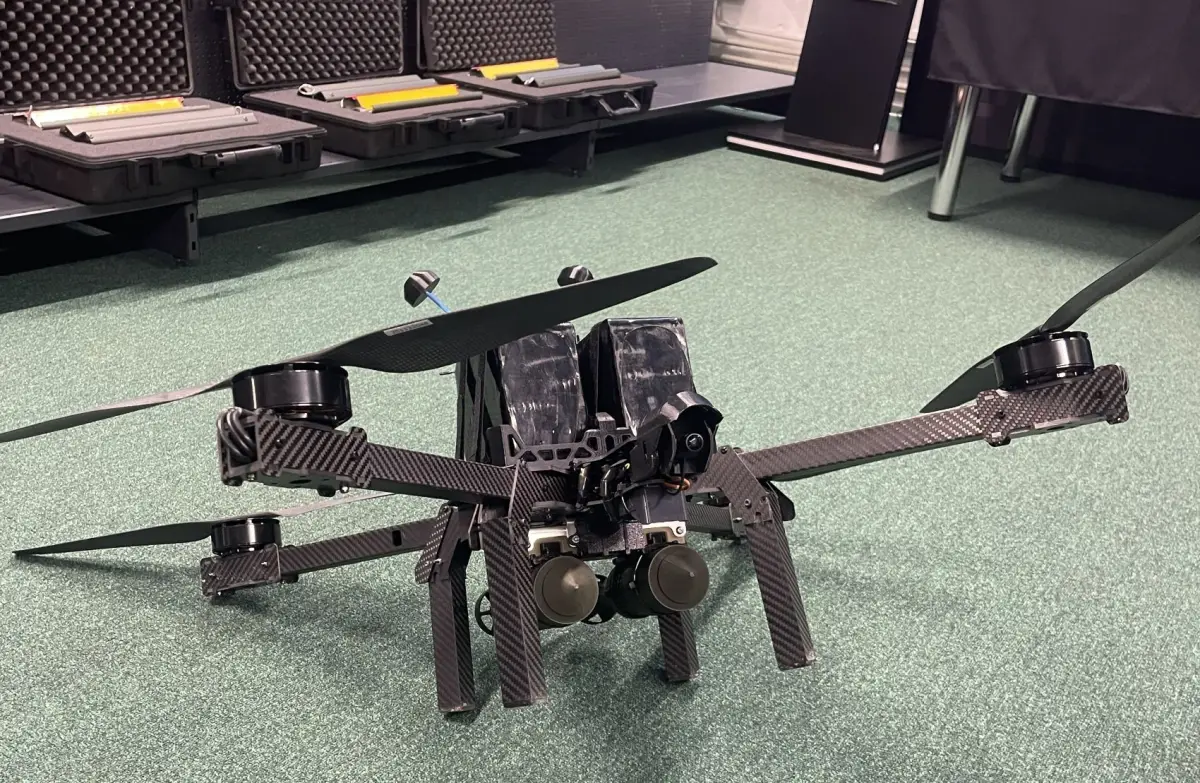
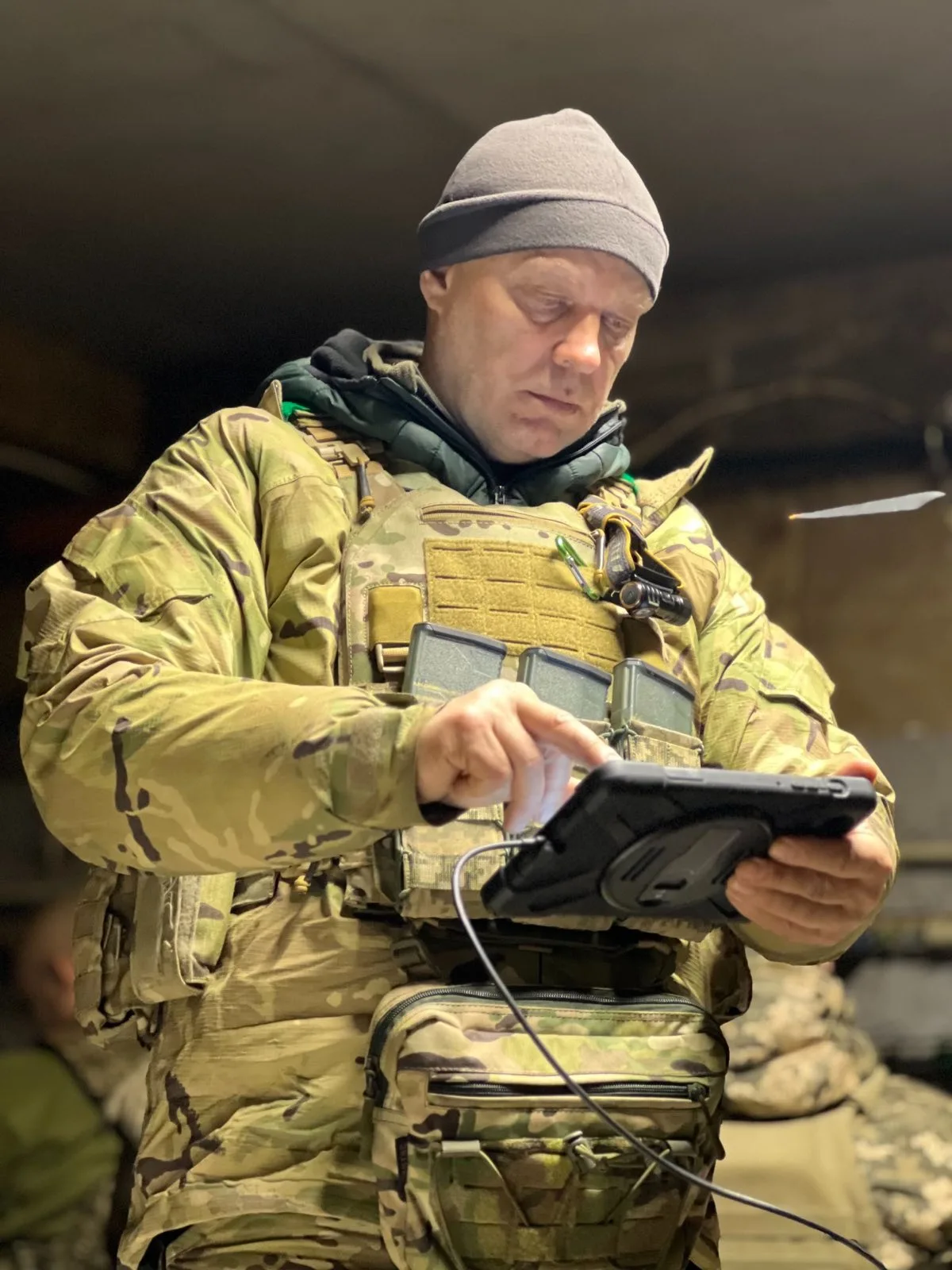
Modern equipment paired with instructors who know how to teach under real conditions.
Learn more →
We prepare effective pilots with a mindset shaped by frontline reality.
View the program →UIB Academy runs FPV drone courses in Kyiv for military personnel, volunteers, and motivated learners who want structured training from instructors with real operational experience. The program combines theory, simulator work, live flights, and mission-focused disciplines to build practical pilot readiness.
Ongoing contact with active pilots and instruction grounded in current field practice.
Our instructors are trusted by multiple military units and volunteer defense formations.
Join a network of dedicated professionals committed to growth and operational readiness.
The course is built as a clear progression: from fundamentals and simulator drills to obstacle flights, long-range work, and current operational methods used by modern FPV teams.
A strong knowledge base covering the essentials required to perform mission tasks effectively.
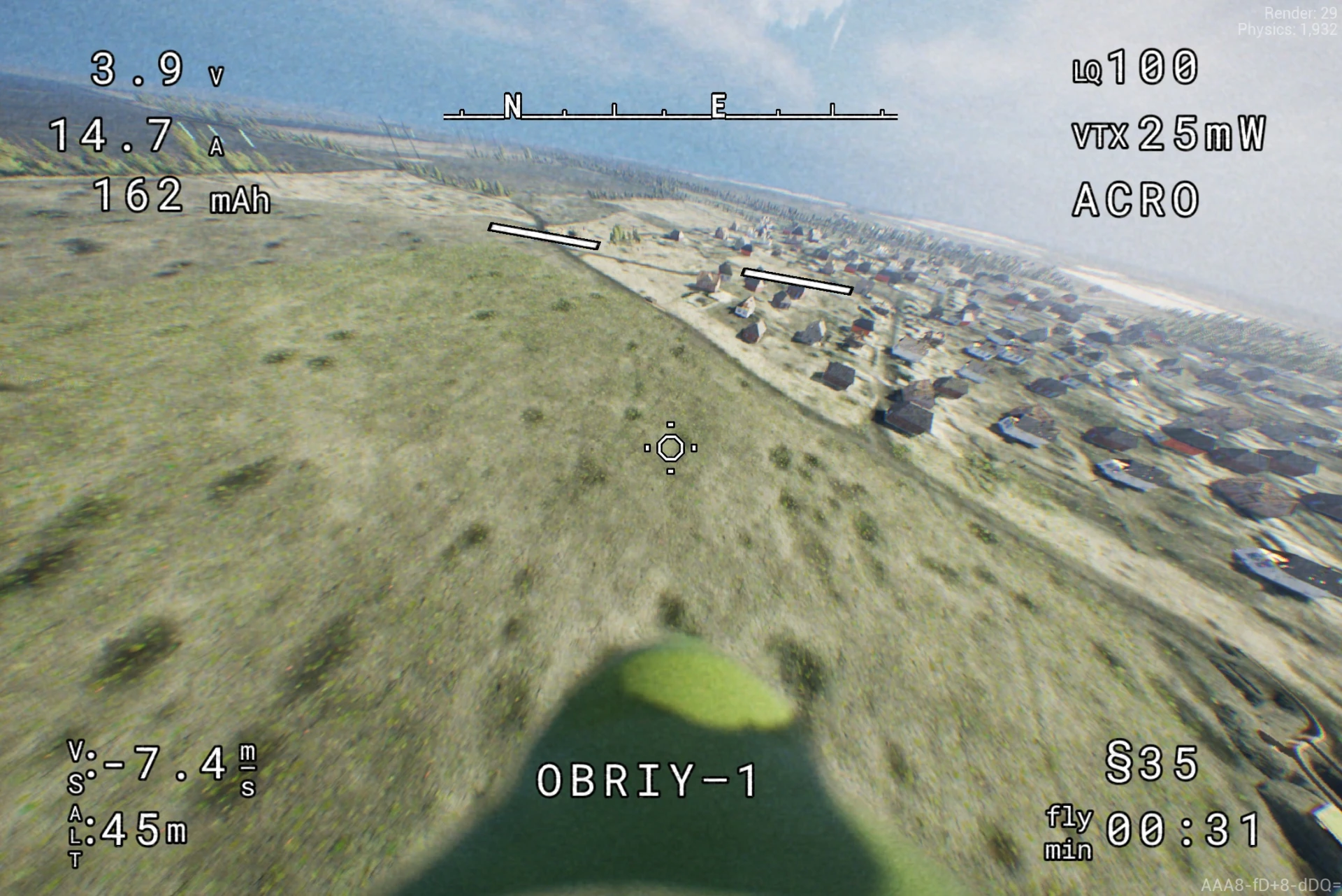
The Obrii simulator recreates real combat and weather conditions for safer, more realistic practice.
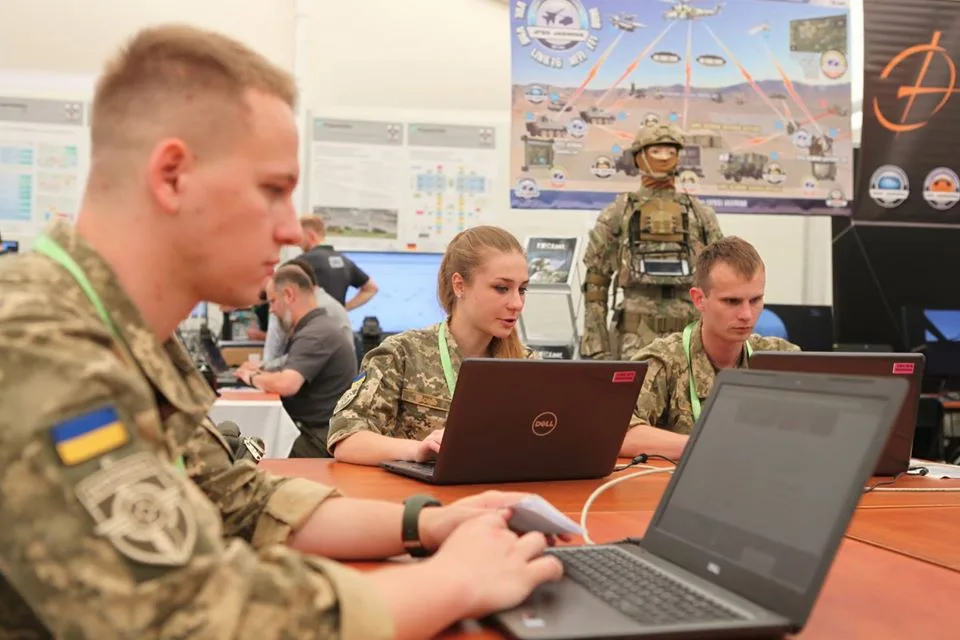
The exam covers 10 theory disciplines as well as free-flight control and piloting proficiency.
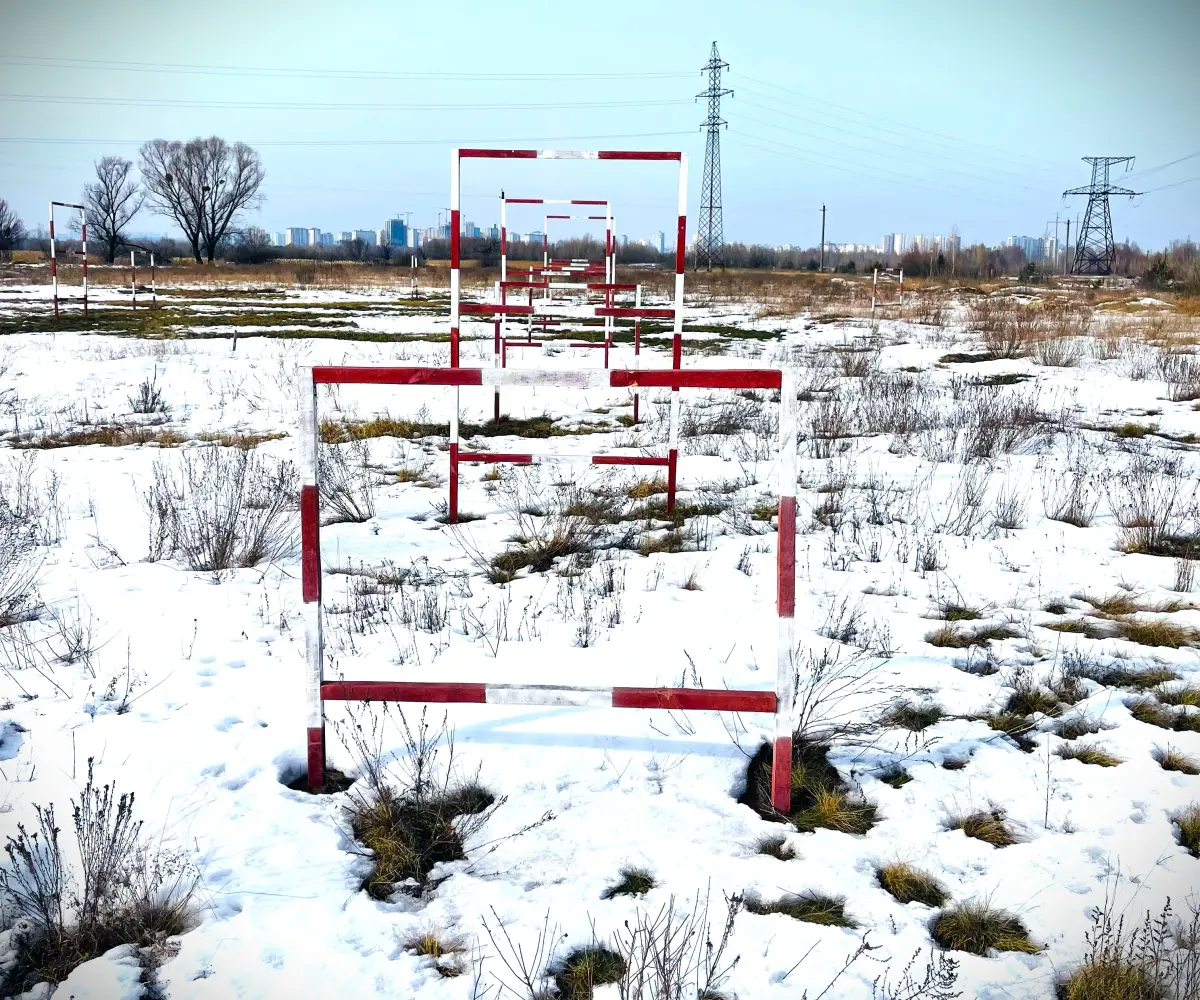
Students train precise control in tight environments, working through gates, route sections, low-altitude maneuvers, and controlled attack runs in scenarios designed to reflect real mission pressure.
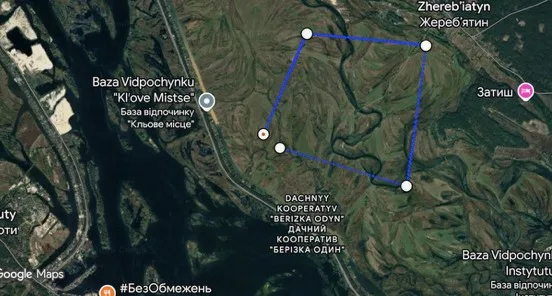
This phase develops route discipline, orientation, power management, and stable control over longer distances, which is essential for deeper mission profiles and long-range target approach.
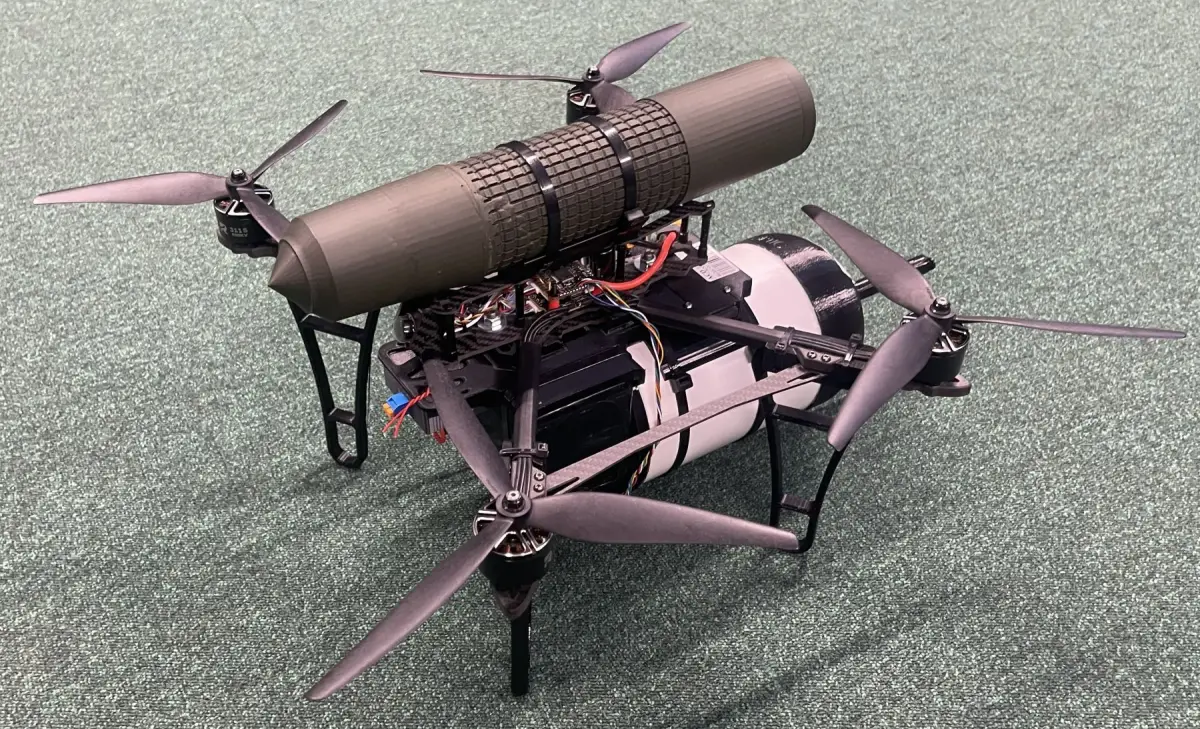
A dedicated module covers fiber-optic FPV systems, including equipment setup, launch preparation, practical handling, tactical use cases, and the operational trade-offs of this connection type.
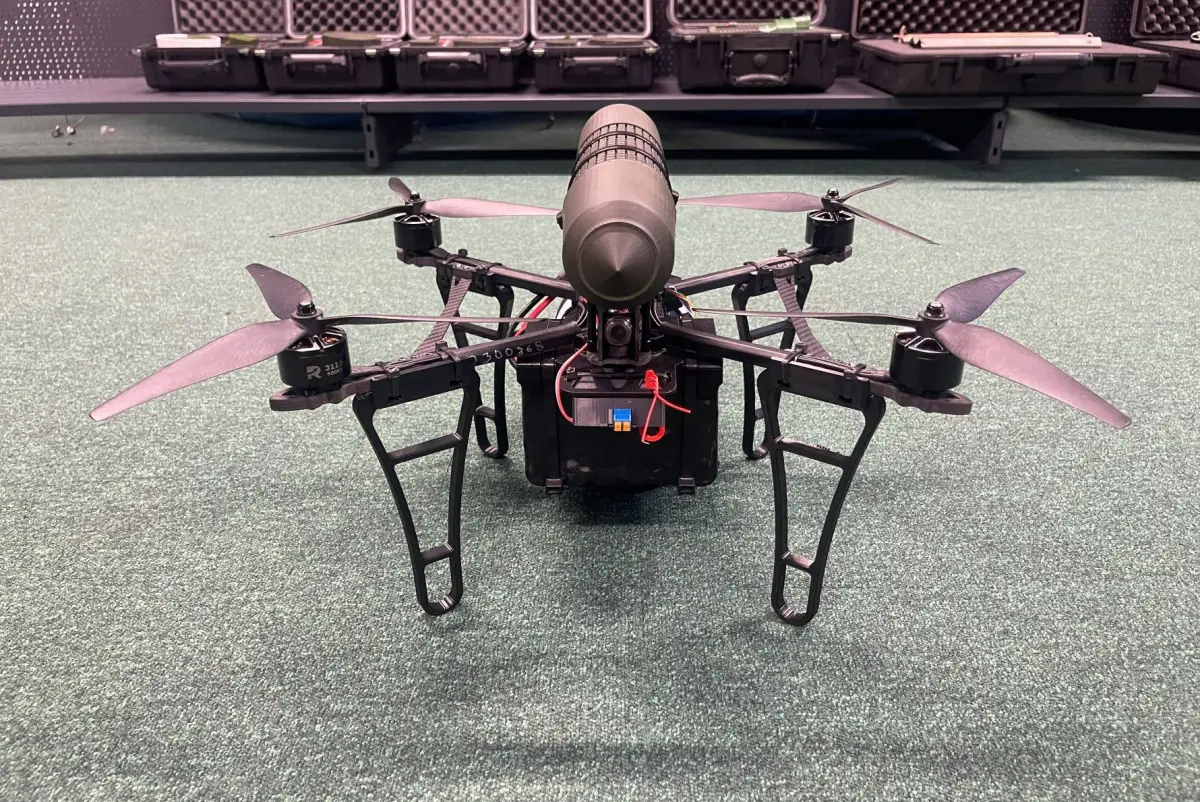
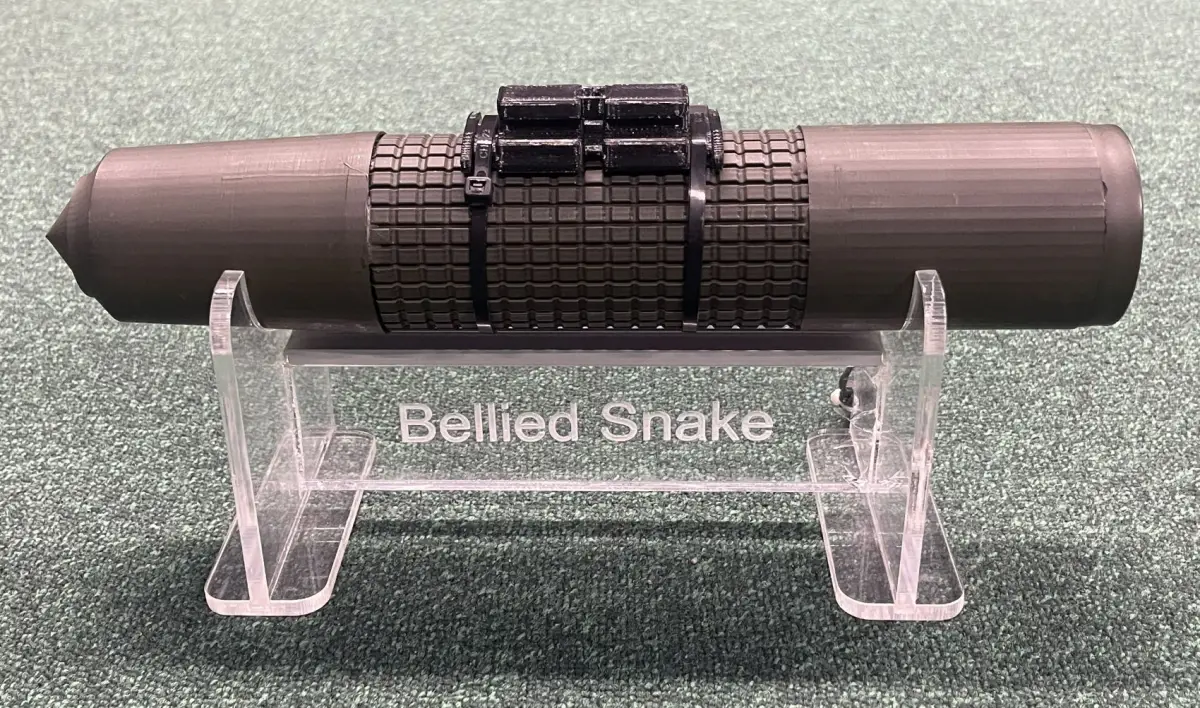
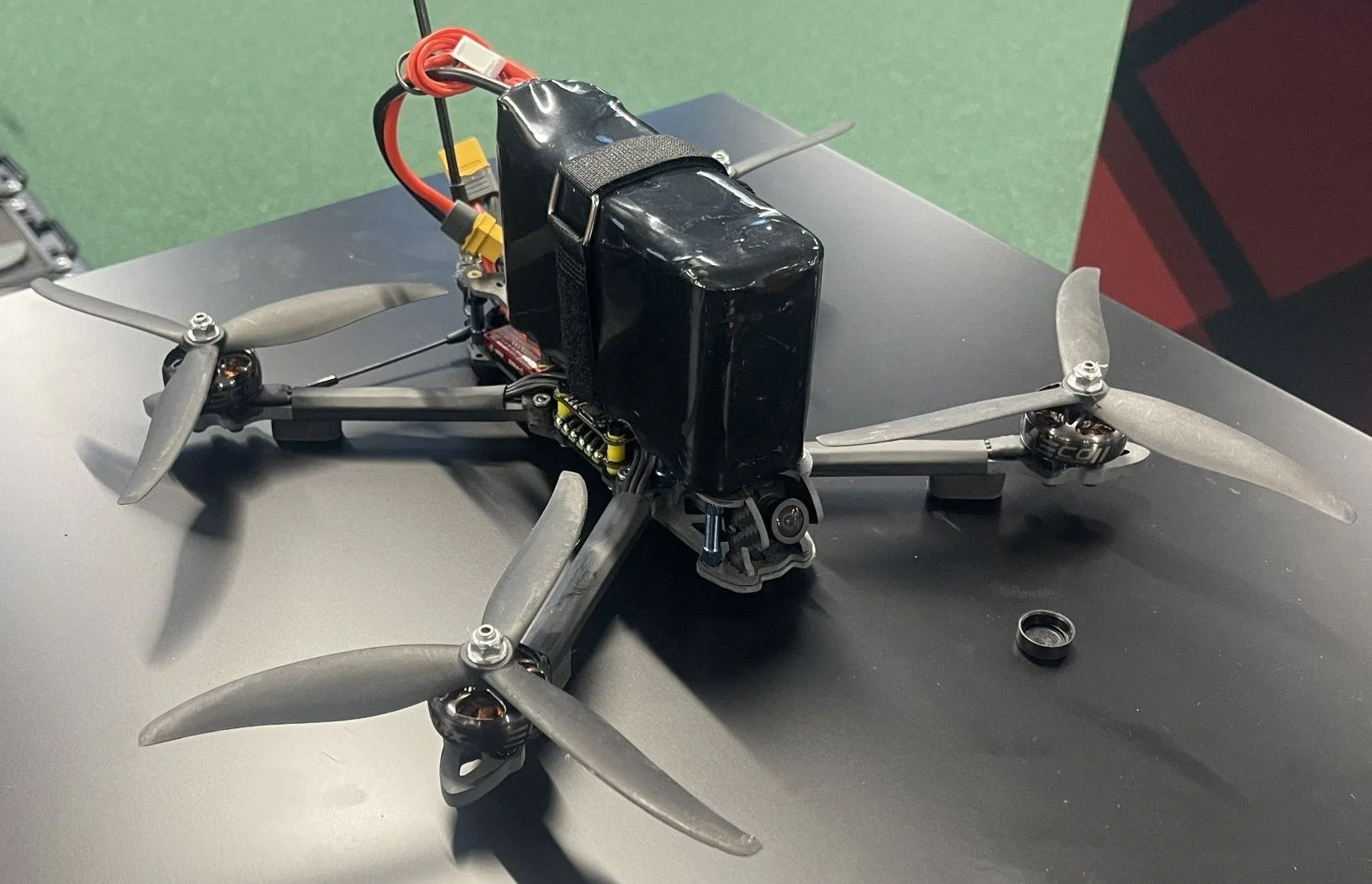
These disciplines cover more than flight mechanics alone. Our FPV drone courses in Kyiv include navigation, mission thinking, system setup, communications, and the general field questions that turn technical skill into usable operational judgment.
Multirotor platform types, system structure, controls, power management, batteries, payload logic, and the fundamentals of how an FPV setup works.
Navigation, maps, coordinates, terrain reference points, route awareness, and practical field orientation for outbound and return paths.
Mission scenarios, crew-role logic, target approach patterns, and decision-making under pressure in realistic tactical conditions.
Hands-on work with hardware, component connections, baseline software setup, pre-flight checks, and common fault scenarios.
Sortie preparation, route logic, risk review, fallback planning, weather awareness, and timing decisions before launch.
Military radio procedures, radio-wave fundamentals, interference awareness, EW-related factors, and practical ways to preserve controllability.
Here are the most common questions about training, course structure, and what to expect from FPV drone courses in Kyiv at UIB Academy.
The program is suitable for complete beginners as well as learners who already have flight time but want structured training and a stronger operational foundation.
No. At the start, it is more important to understand the logic of training, complete theory, and build control discipline on simulators and training equipment.
The full program includes more than 60 hours across theory, simulator work, examination, obstacle flights, long-range flights, and a dedicated fiber-optic FPV module.
Students cover theory, land navigation, combat tactics, system configuration, mission planning, communications, and multiple stages of practical FPV flight training.
Training is based in Kyiv and combines classroom work with practical flight sessions where students train maneuvering, control, and task execution in realistic conditions.
Yes. The program includes a separate module on fiber-optic FPV, covering equipment setup, handling, tactical application, and the practical limitations of that format.
The easiest way is to use the website form. We will contact you, clarify your goals and background, and suggest the most relevant training format.
It helps students learn not only how to fly, but how to think through pressure, avoid common mistakes, and connect technical training with real mission execution.
By submitting the form, you send us the contact details provided so we can reply to your request. We may also use cookies and similar technologies to keep the site secure, support the form, and improve the overall experience. Privacy Policy